Public and shared spaces already contain movement: people arrive, pass, pause and gather. Passive interaction uses that existing choreography as input. Visitors receive an immediate spatial response while circulation continues naturally.
This approach suits installations where atmosphere, continuity and collective behaviour carry more value than an explicit task. Its success depends on the degree of influence given to each person and on the ability of the composition to retain its visual structure across changing conditions.
An autonomous composition with a permeable edge
A passive interactive work needs an autonomous state. It should remain visually complete when the space is empty and continue coherently as density changes. Sensing then opens controlled points of influence within that state.
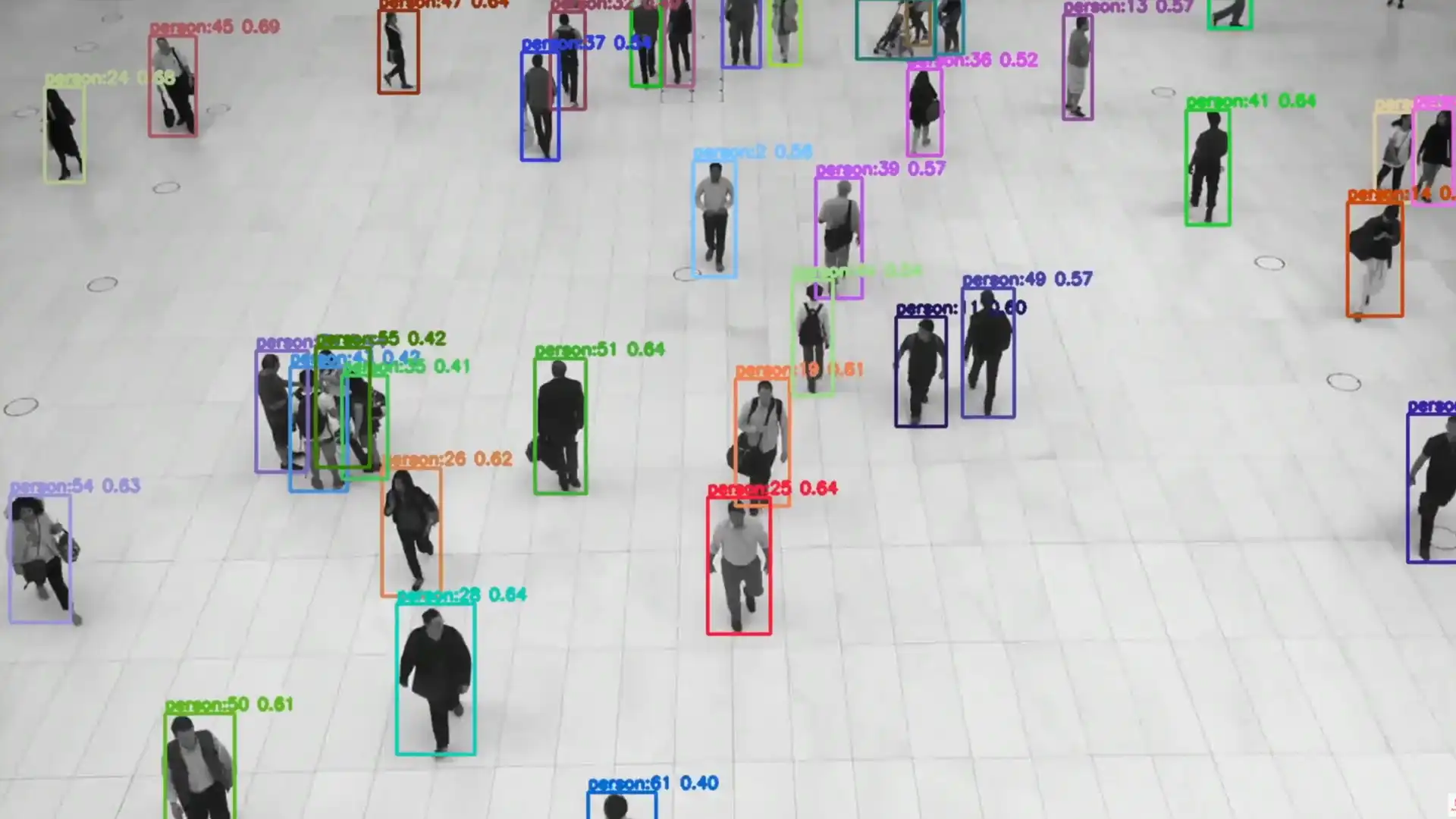
The input may describe position, direction, speed, proximity or density. The visual mapping determines how strongly each value affects the work, how long the effect persists and how the composition returns to its wider behaviour. These decisions shape the character of the interaction more directly than the sensor itself.
Subtle influence also rewards observation. A visitor may first encounter the work as part of the architecture, then notice that movement leaves a trace or shifts a local field. The response becomes legible through time and proximity.
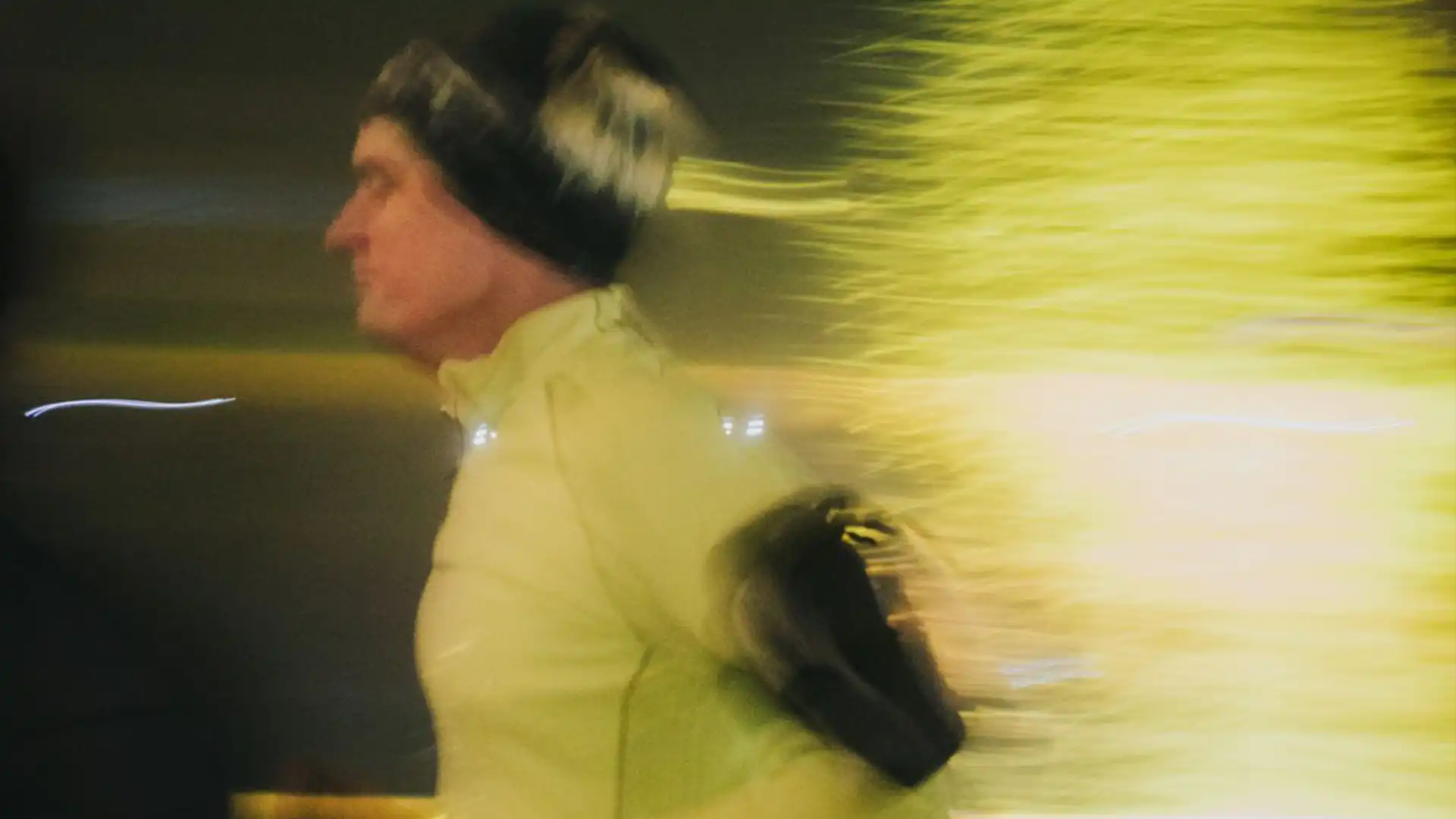
Ondulations: movement across a public facade
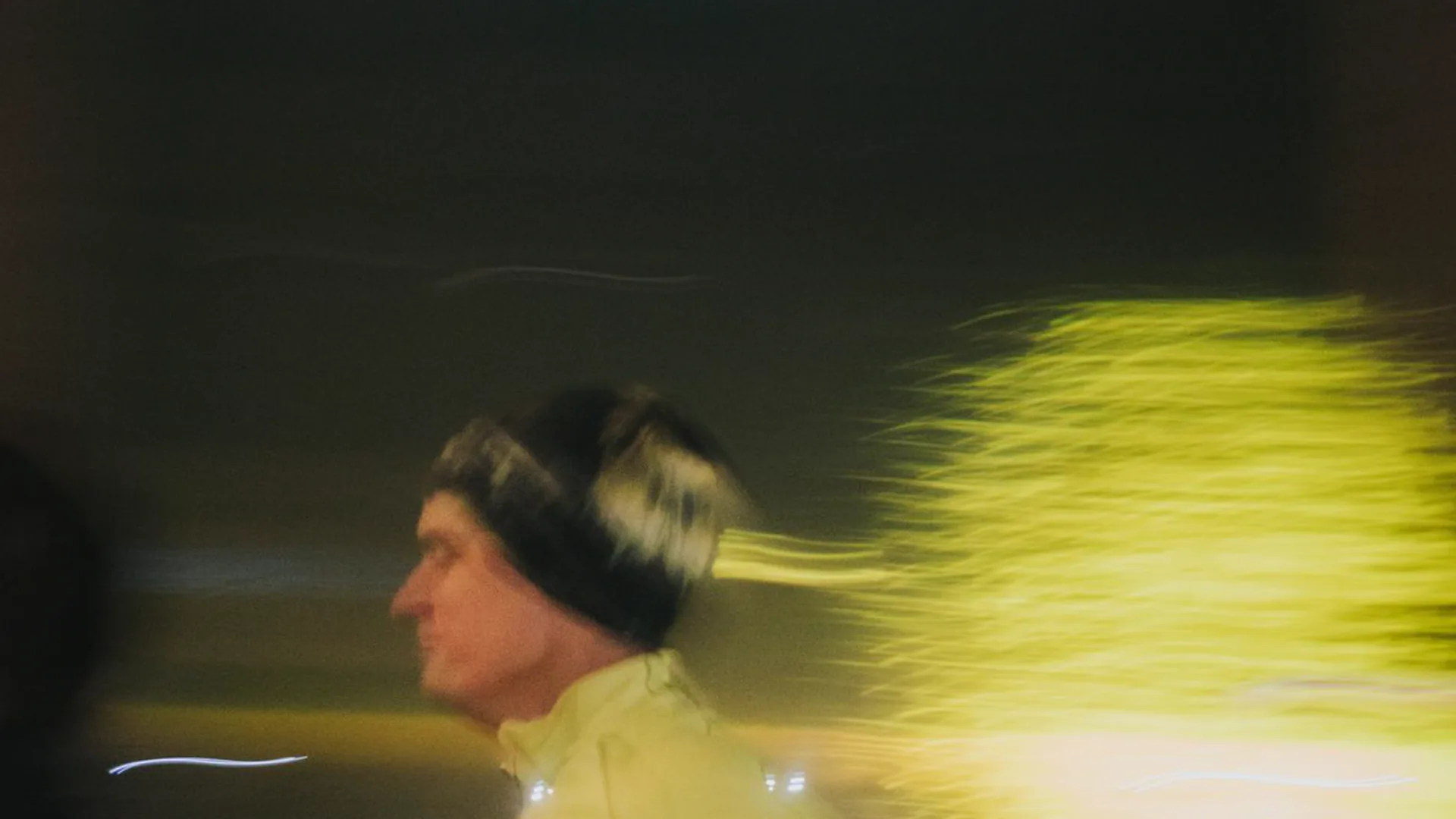
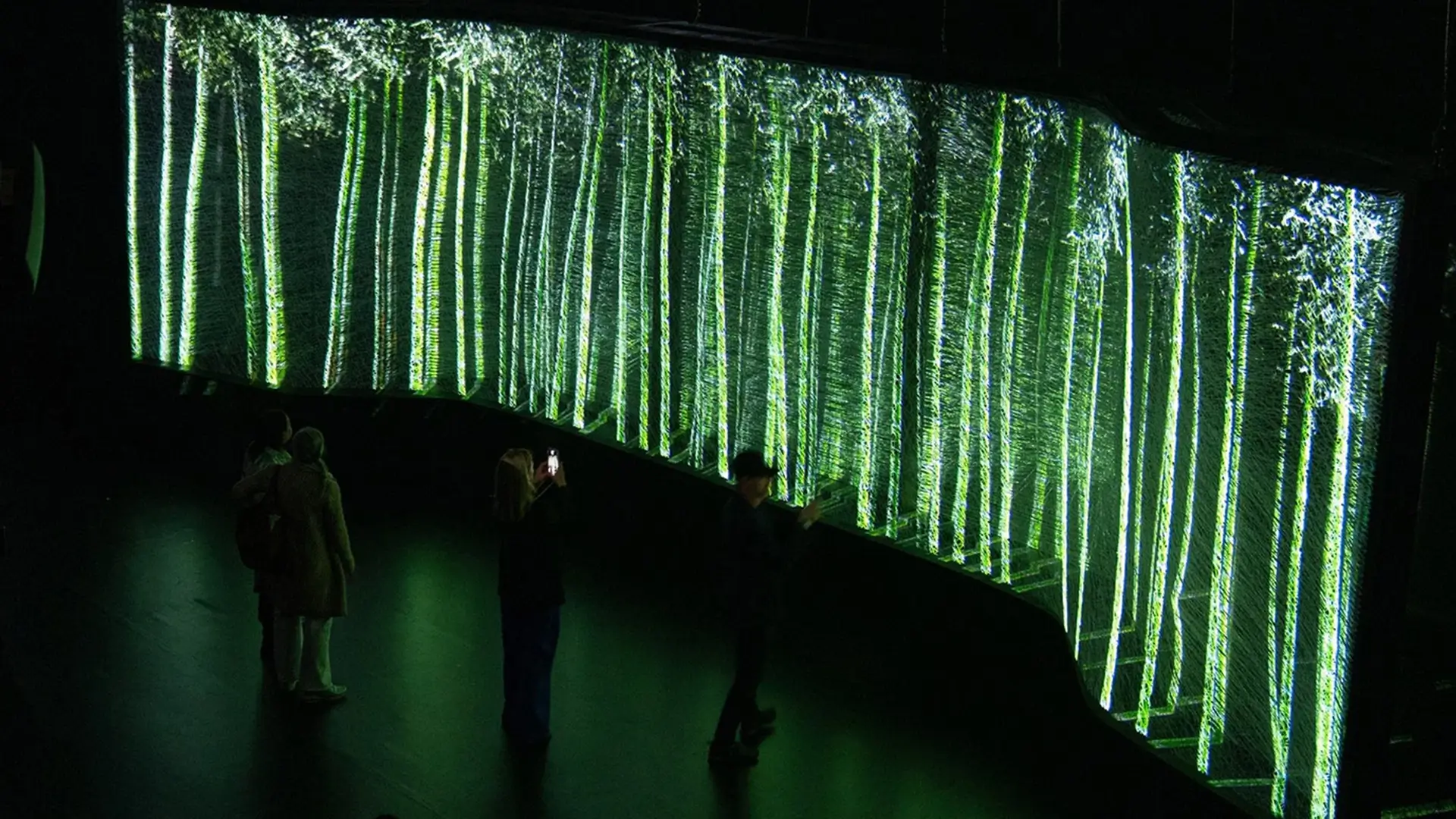
Ondulations transformed pedestrian movement at Place de Paris in Luxembourg into generative waves of light across a glass facade. Refractiv developed the interactive system and generative visual design, with on-site supervision and lifecycle support. TIJO Studio led creative production, Brain & More handled commissioning and coordination, and Pro Musik delivered technical installation and site works.
A camera captures movement along the street. The real-time system translates that flow into changes in rhythm, density and motion within the composition. People influence the work by walking through the existing public route, allowing the facade to register the cadence of the street.
The deployed system derives direction, speed and density from the observed movement, giving the composition several dimensions of influence while keeping the public interaction implicit.
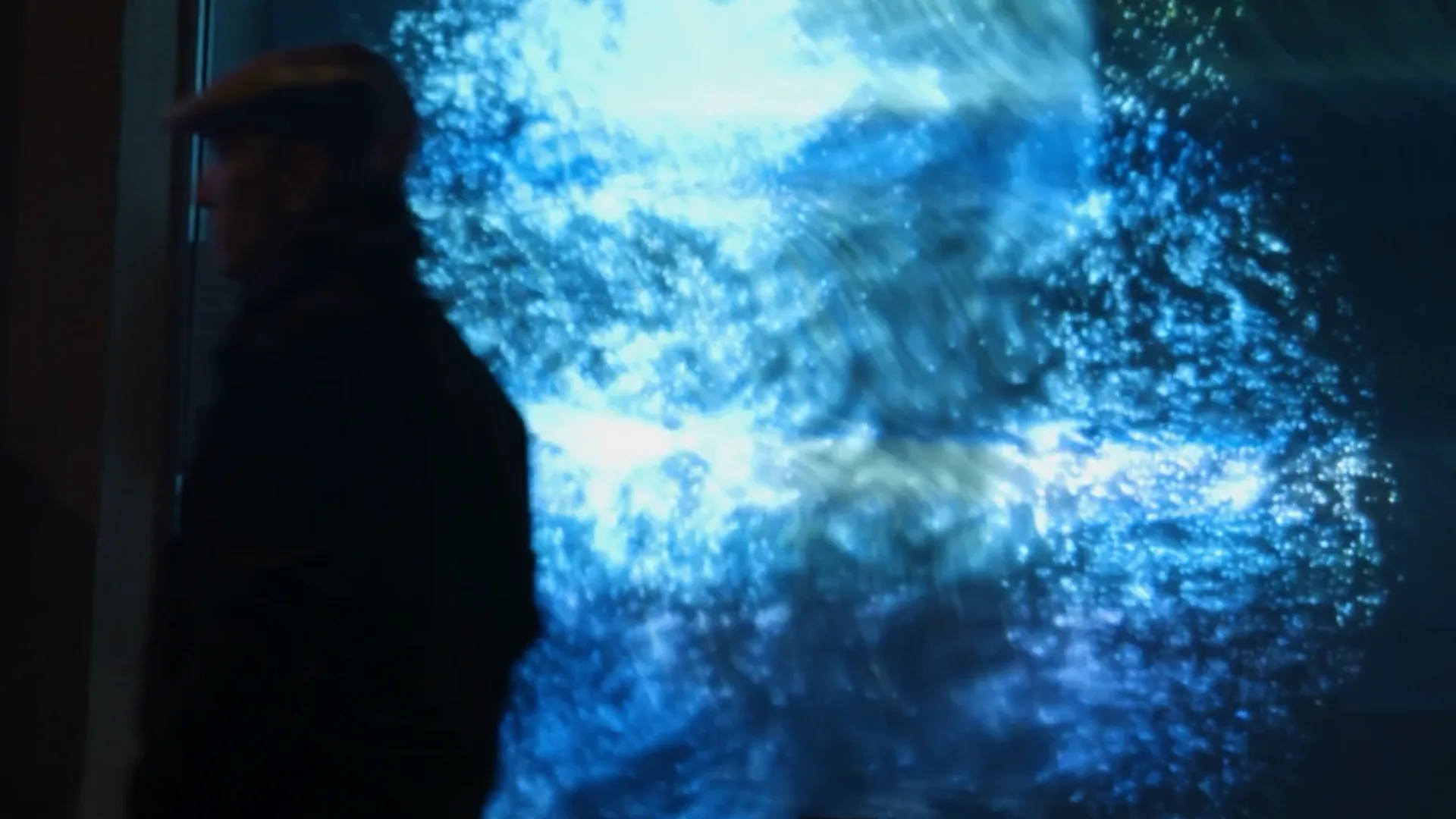
Nespresso New York: proximity within a fluid field
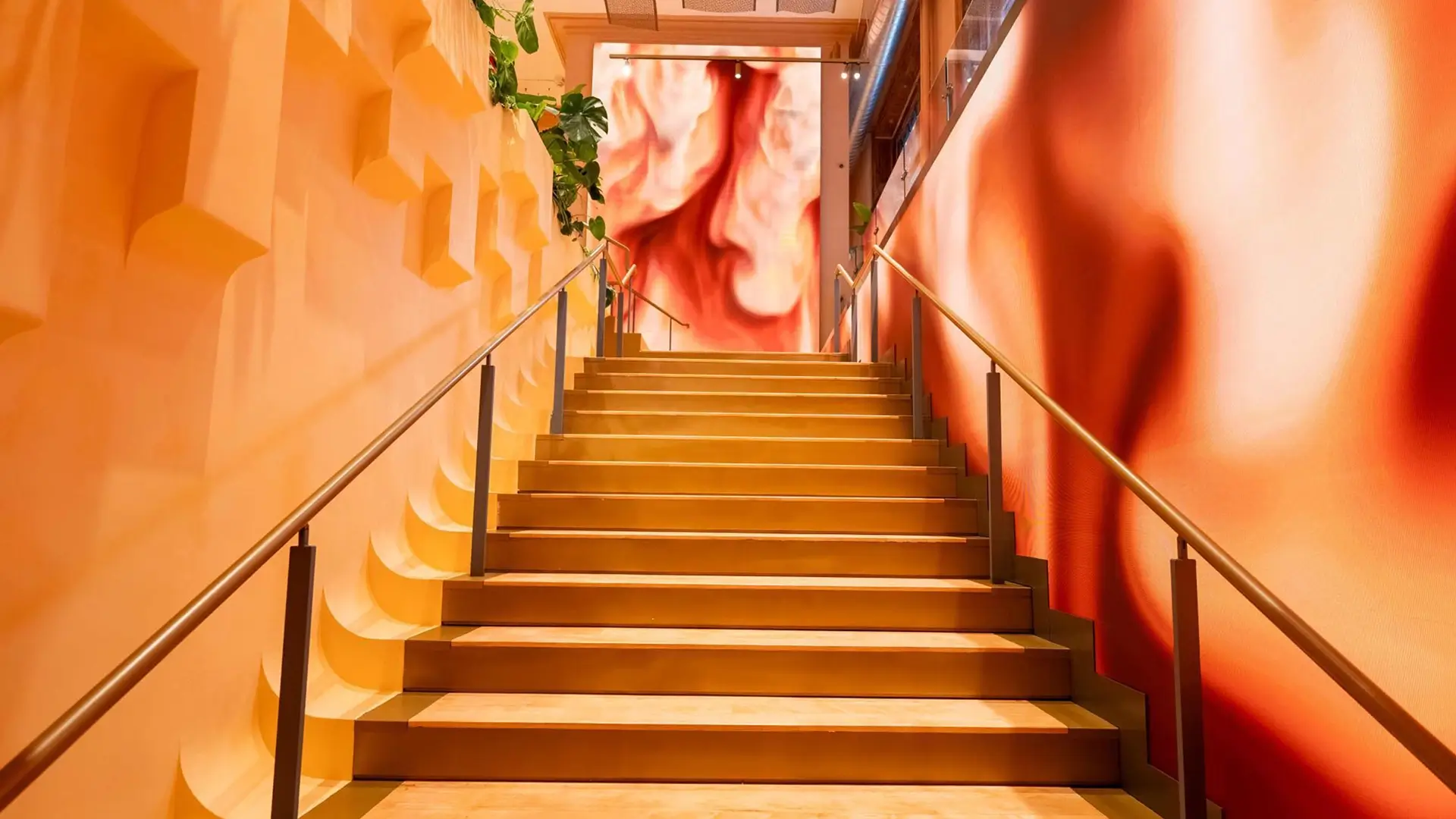
The Nespresso New York wall applies the same principle inside a flagship retail space. Refractiv designed a sensing layer that combines computer vision with multiple LiDARs and connects visitor movement to a generative fluid simulation.
Coffee and cream form an autonomous visual field. As a visitor approaches, presence gains local influence, producing ripples, trails and soft wake patterns before the flow merges back into the wider composition. The response remains part of one authored material language throughout the store's opening hours.
Refractiv's role covered interactive system design, real-time generative visual design, media architecture consulting, hardware specification, sensor layout, implementation and calibration. Bartolini/Lanzi Architects led architecture and interior design. Stingray and Commersive Solutions held the project lead, initial concept and pitch, and AV integration.
Two contexts, one design test
Ondulations tracks lateral public movement across a facade. Nespresso senses proximity and movement around an interior media surface. In both projects, the work retains an independent visual state and gives presence a bounded effect.
That relationship provides a practical test for passive interaction: the composition should hold with an empty space, one visitor or a crowd. The sensing model should identify the spatial events that matter, and the visual mapping should give those events a clear but proportionate influence.
For a project exploring presence-led media or a sensing feasibility study, contact Refractiv.
Related projects: Ondulations Luxembourg and Nespresso New York interactive video wall. Related capabilities: Generative Visual Systems and Sensing and Spatial Response.