Computer vision people tracking
Raw detections become usable spatial input through filtering, track continuity and defined fallback states. The article sets out the conditions that shape a stable people-tracking system.
Project-derived writing on the decisions, methods and operating systems behind spatial media. Each article examines a practical problem through delivered work, from sensing and generative behaviour to technical design, commissioning and continuous operation.
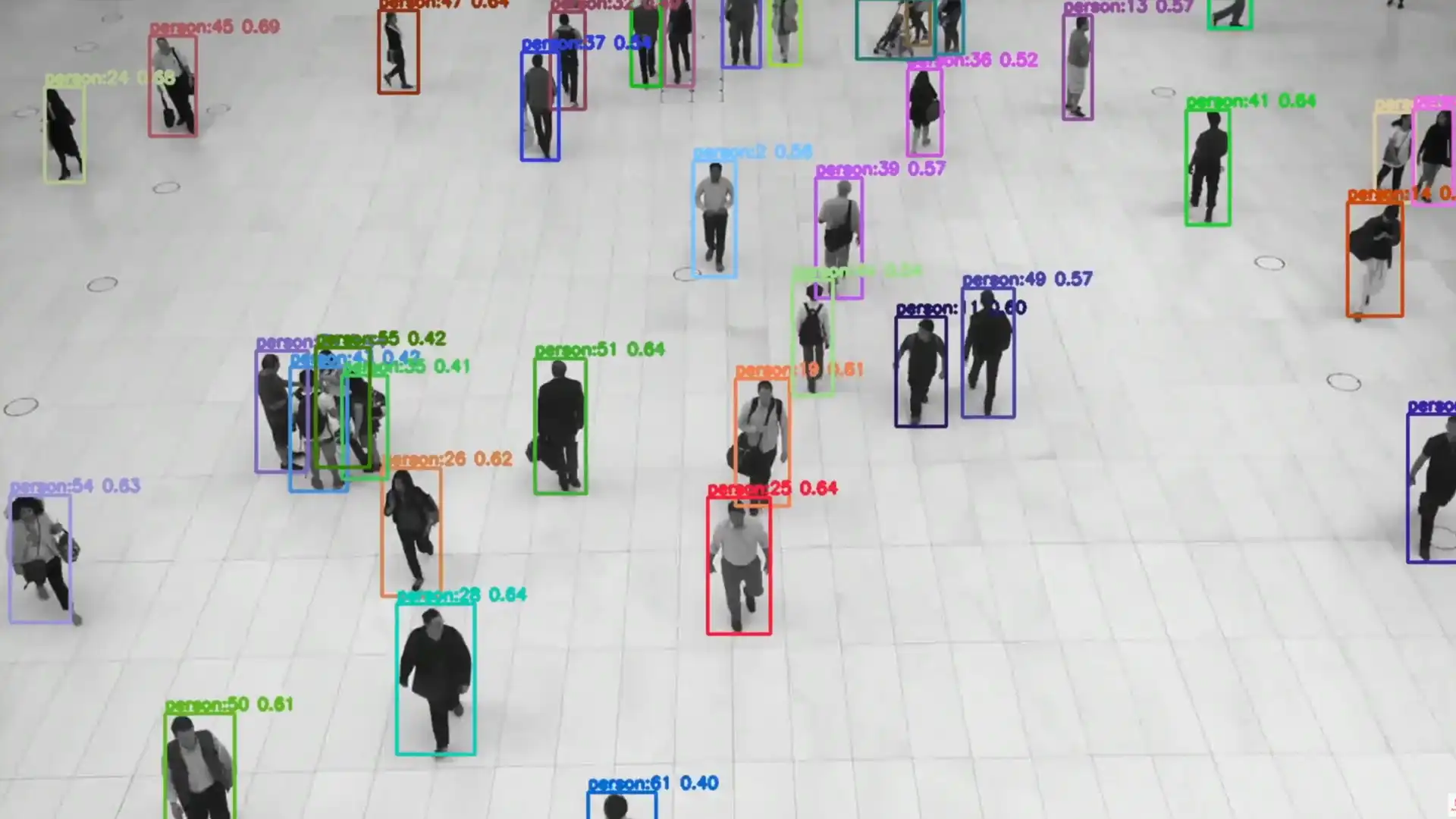
Raw detections become usable spatial input through filtering, track continuity and defined fallback states. The article sets out the conditions that shape a stable people-tracking system.
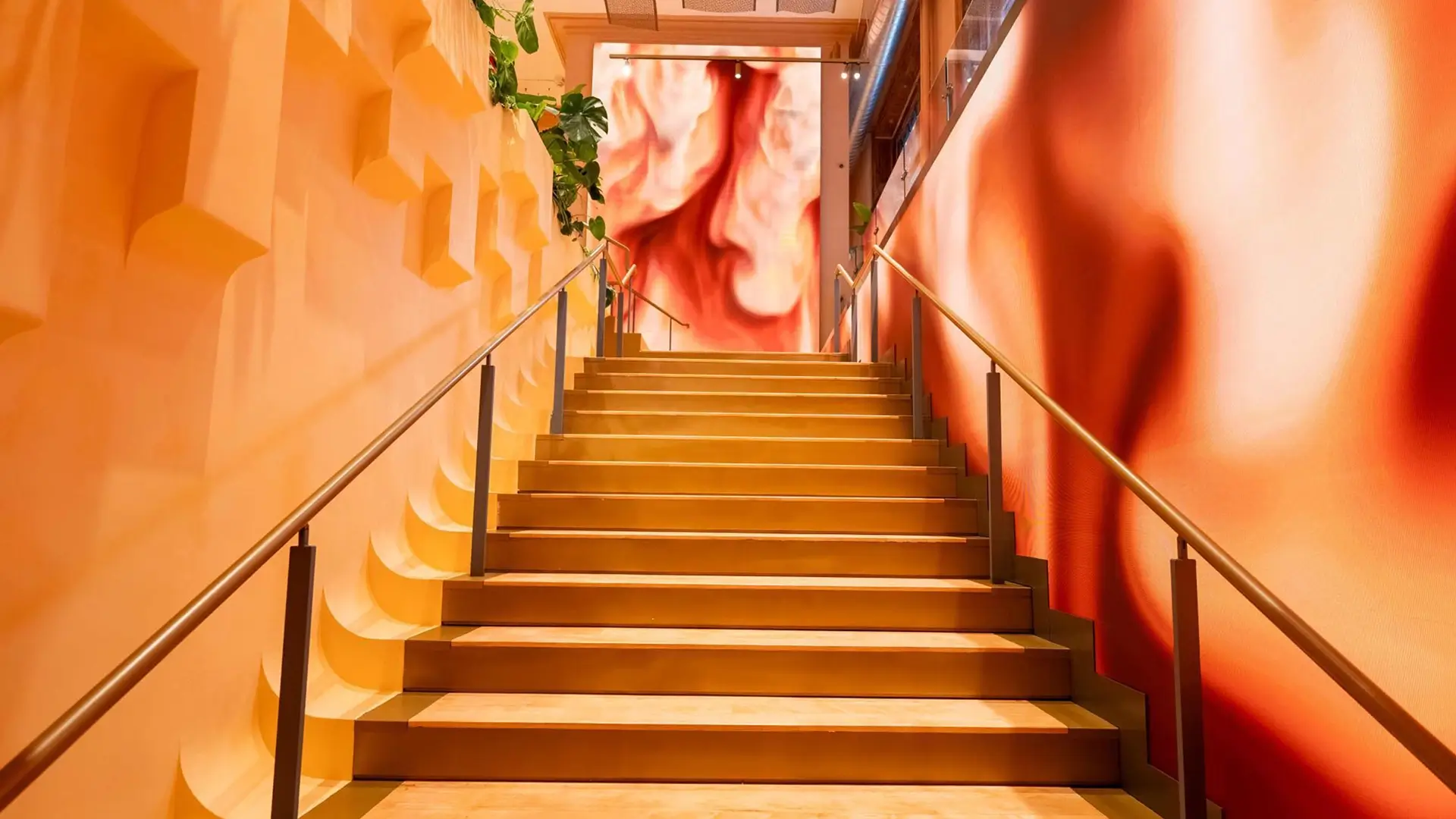
Presence can influence a generative composition while the work retains its own rhythm. Ondulations and Nespresso New York show how movement is translated into controlled visual change across two different spatial contexts.
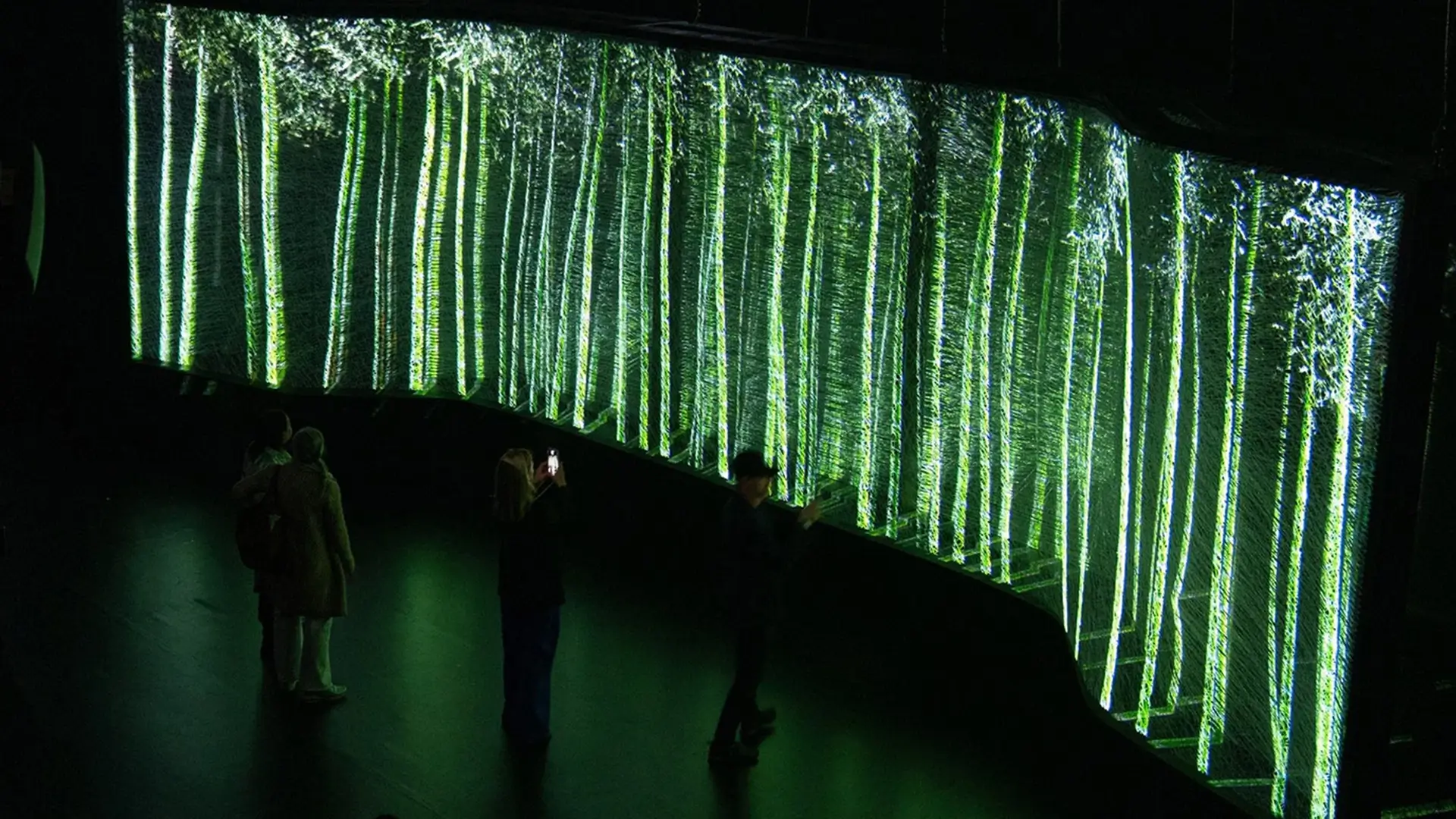
An integration layer coordinates sensor inputs, visual systems, timing and operational state. Lexus A-Un and Cardo Brussels show how specialised media processes can operate within a wider system.

Media architecture begins with spatial behaviour, content logic and operating conditions. Defining these elements during concept design gives later technical decisions a clear reference.

The choice between a fixed sequence and a generative system shapes visual authorship, sensing, runtime architecture and maintenance. This article traces that decision through the Nespresso New York media wall.

A low ceiling and close viewing distances shaped a distributed lighting system built from mirrors and addressable LED bars. The project shows how spatial constraints can define the media response.

A fast physical action becomes a dependable public experience through camera tracking, impact verification, response-time control and repeatable site calibration. The BMO Goal Challenge shows how these layers operate as one system.