
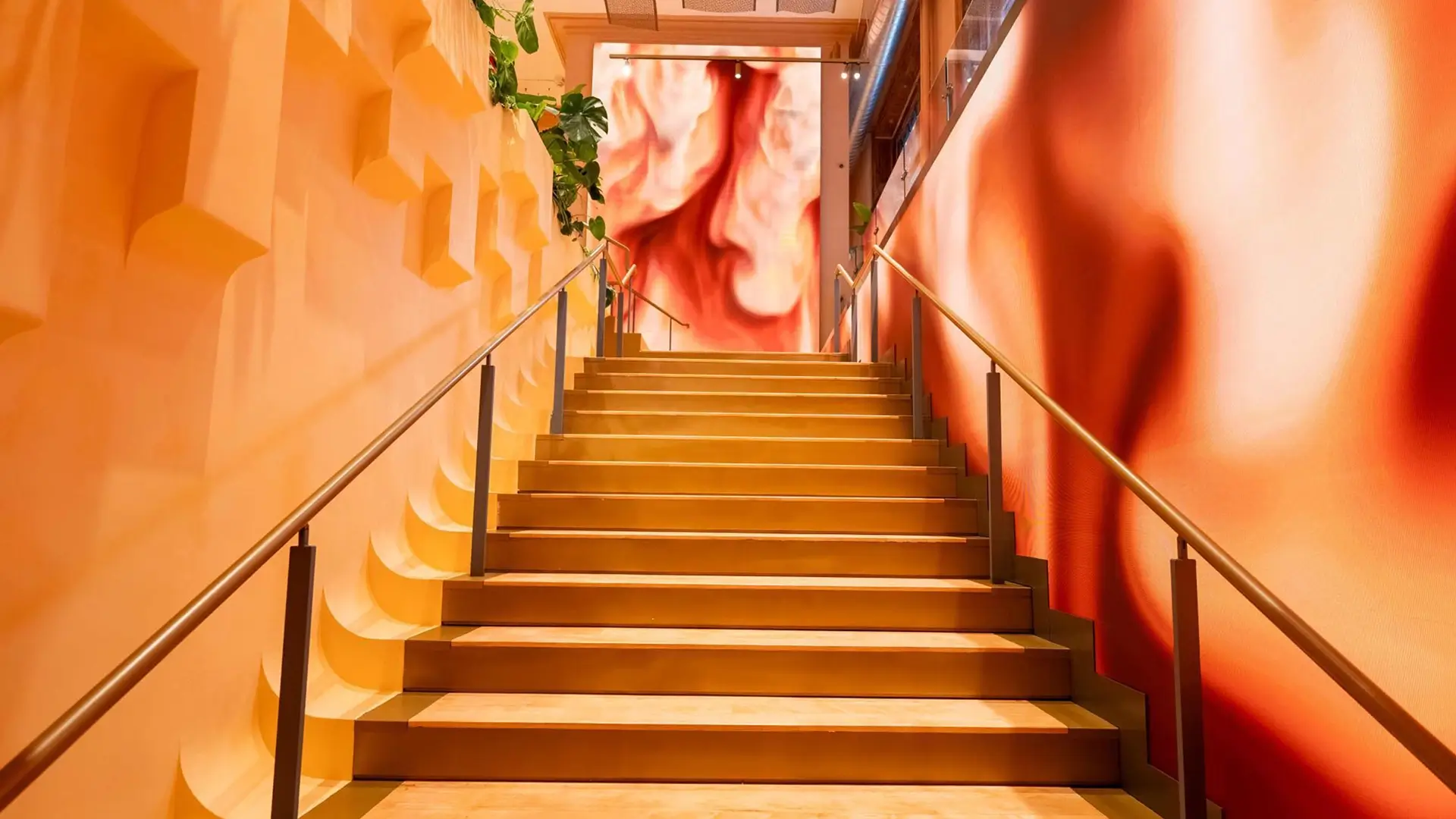
A screen size can be specified quickly. The more consequential questions concern what the media should do, how people will encounter it and how it will operate after opening.
Media architecture brings those questions into the early design of a space. It connects the artwork or experience to the surfaces, circulation, infrastructure and people responsible for delivery.
Begin with the encounter
Media may help orient visitors, establish an atmosphere, support a reveal or respond to movement. Its purpose creates criteria for the design.
Viewing distance affects the scale of an image. Time spent nearby affects its pace and duration. Circulation shapes where an interaction can happen. Ambient light, surface geometry and available depth influence which display methods are practical.
An early study brings these conditions together. It gives content and equipment choices something specific to answer.
Choose the content model alongside the system
A fixed sequence, scheduled programme and continuous generative work have different production and operating needs. That choice should develop with the experience brief.
At Nespresso New York, the initial request was for pre-rendered content with subtle changes in speed and movement based on proximity. Refractiv demonstrated a generative approach within the same visual brief, and it became the basis of the installation.
The resulting coffee-and-cream simulation needed a sensing layer, real-time software and calibration against the wall and store circulation. Content, interaction and technical design therefore developed together. Commersive Solutions commissioned the work and led the wider project and AV integration.

Treat constraints as design information
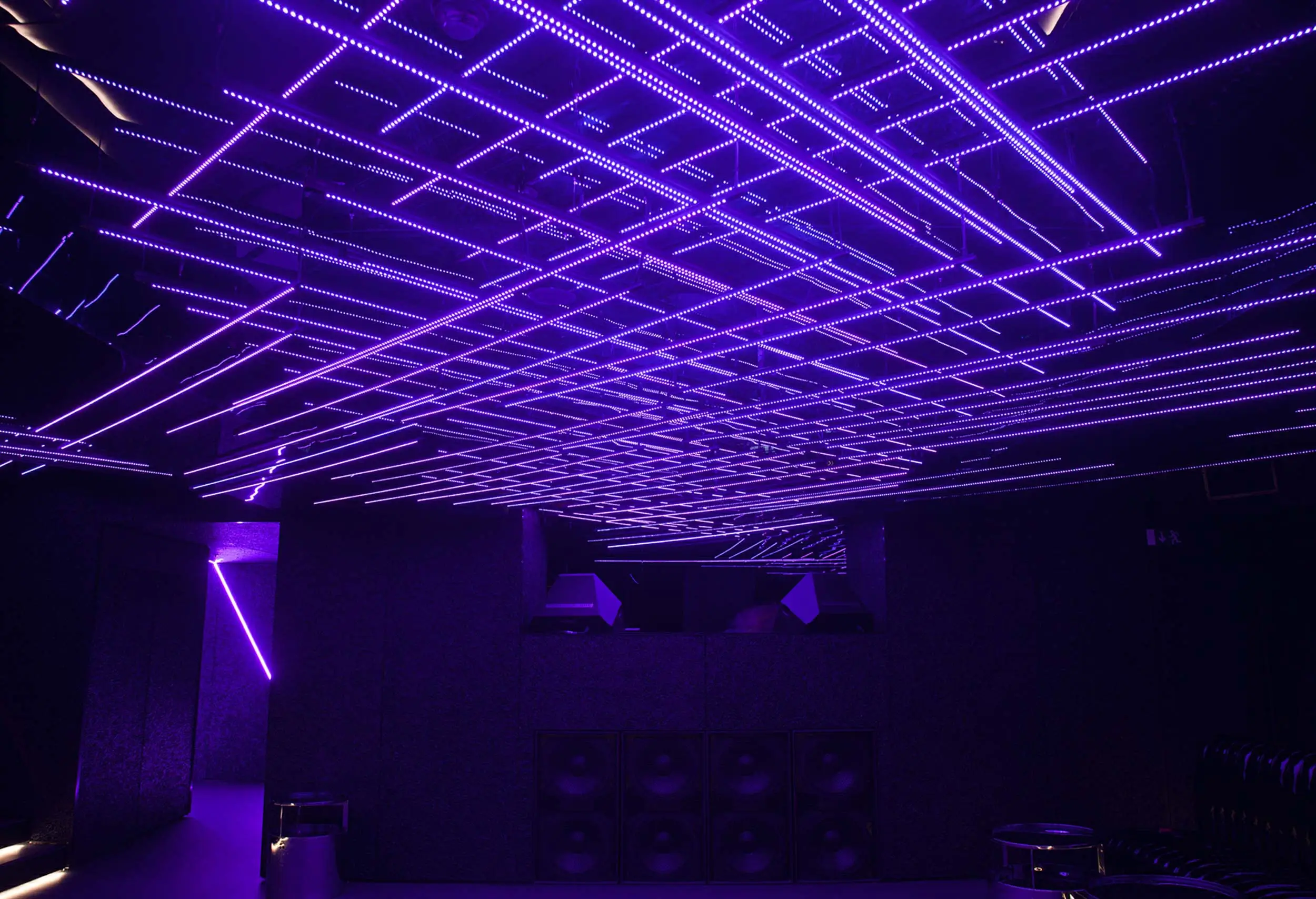
At DND Amsterdam, a low ceiling and close viewing distances shaped the response. Refractiv developed a three-dimensional arrangement of custom addressable light bars and mirrors for the dancefloor. Reflection extended the perceived depth beyond the ceiling plane.
Pixel-level programming allowed the structure to support different venue states. The control approach also considered staff with suitable lighting-programming knowledge. Room geometry and operation influenced both the physical form and its behaviour.
Baranowitz+Kronenberg led the architecture and conceived the connecting corridors; Refractiv realised their corridor lighting concept. Keeping these responsibilities distinct is part of a useful project brief.
Compare options while they can still change
Drawings, visual studies, mock-ups and technical prototypes can compare alternatives against the same conditions. A study should make the dependencies visible: surface positions, sensing coverage, content runtime, installation access and control ownership.
It should also identify the questions that remain. A prototype may establish a visual direction while leaving physical-site calibration open. Recording that boundary helps the next stage build on real evidence.
Make the study useful to the delivery team
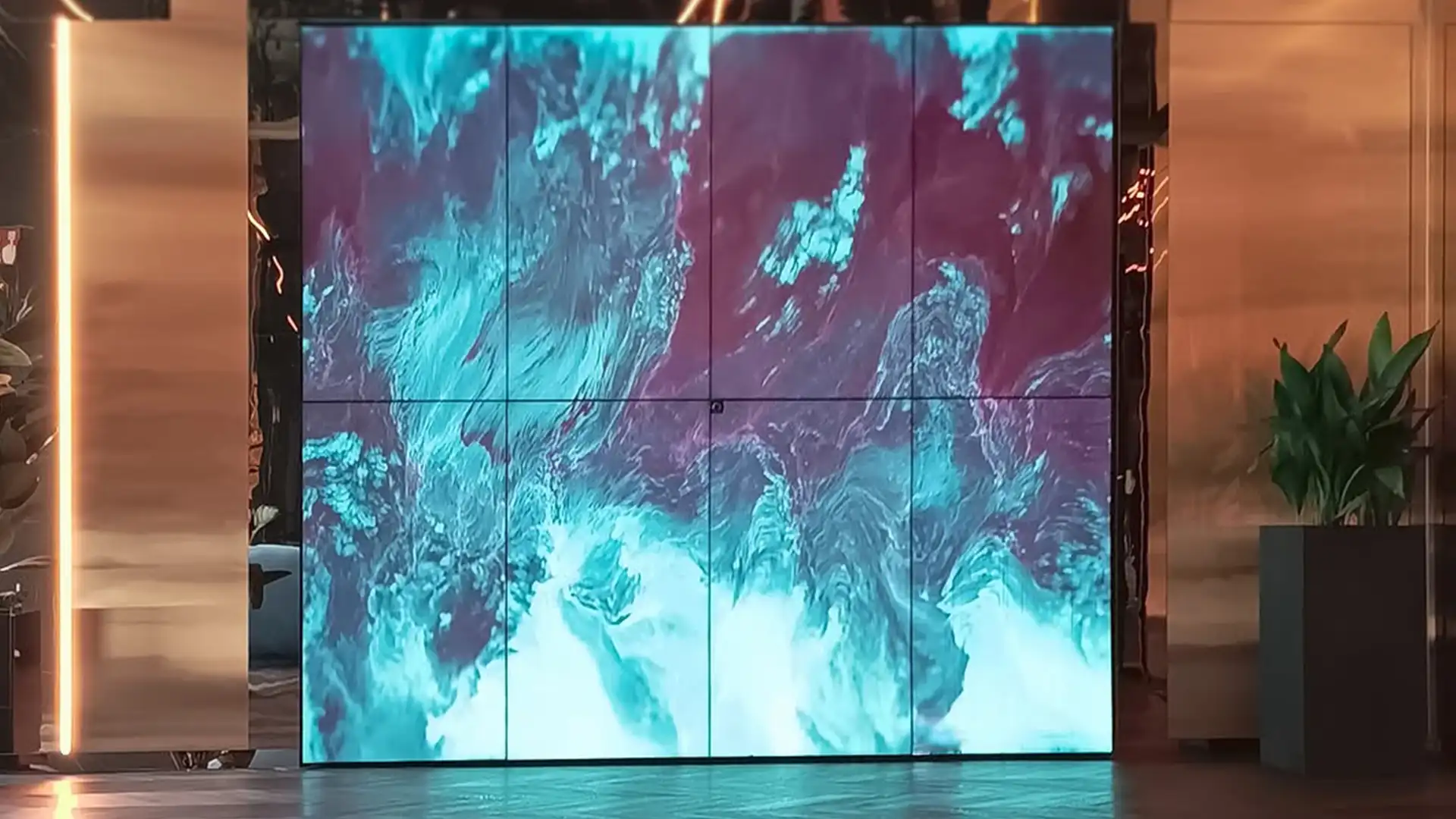
Depending on the project, outputs can include a spatial sequence, media-surface studies, preliminary interaction zones, content recommendations, system diagrams and infrastructure requirements. They may also define validation criteria, discipline boundaries and the next-stage brief.
The aim is a shared reference for architects, content makers, software developers, AV teams and operators. Each decision should have a reason connected to the experience.
An early brief can be a plan, a site or an ambition for what people should encounter. To discuss a media study, contact Refractiv at Contact Refractiv.