Media Architecture
An experience framework built from the brand, its ethos and its relationship with people. It defines active surfaces, spatial sequence, interaction, content states and technical coordination before production decisions are fixed.
Spatial media capabilities for architecture studios, brand teams and creative partners. Refractiv defines how media belongs in a space, how the system is structured and how the environment behaves once installed. Most commissions combine several capabilities. Services run from concept through commissioning and lifecycle support.

An experience framework built from the brand, its ethos and its relationship with people. It defines active surfaces, spatial sequence, interaction, content states and technical coordination before production decisions are fixed.
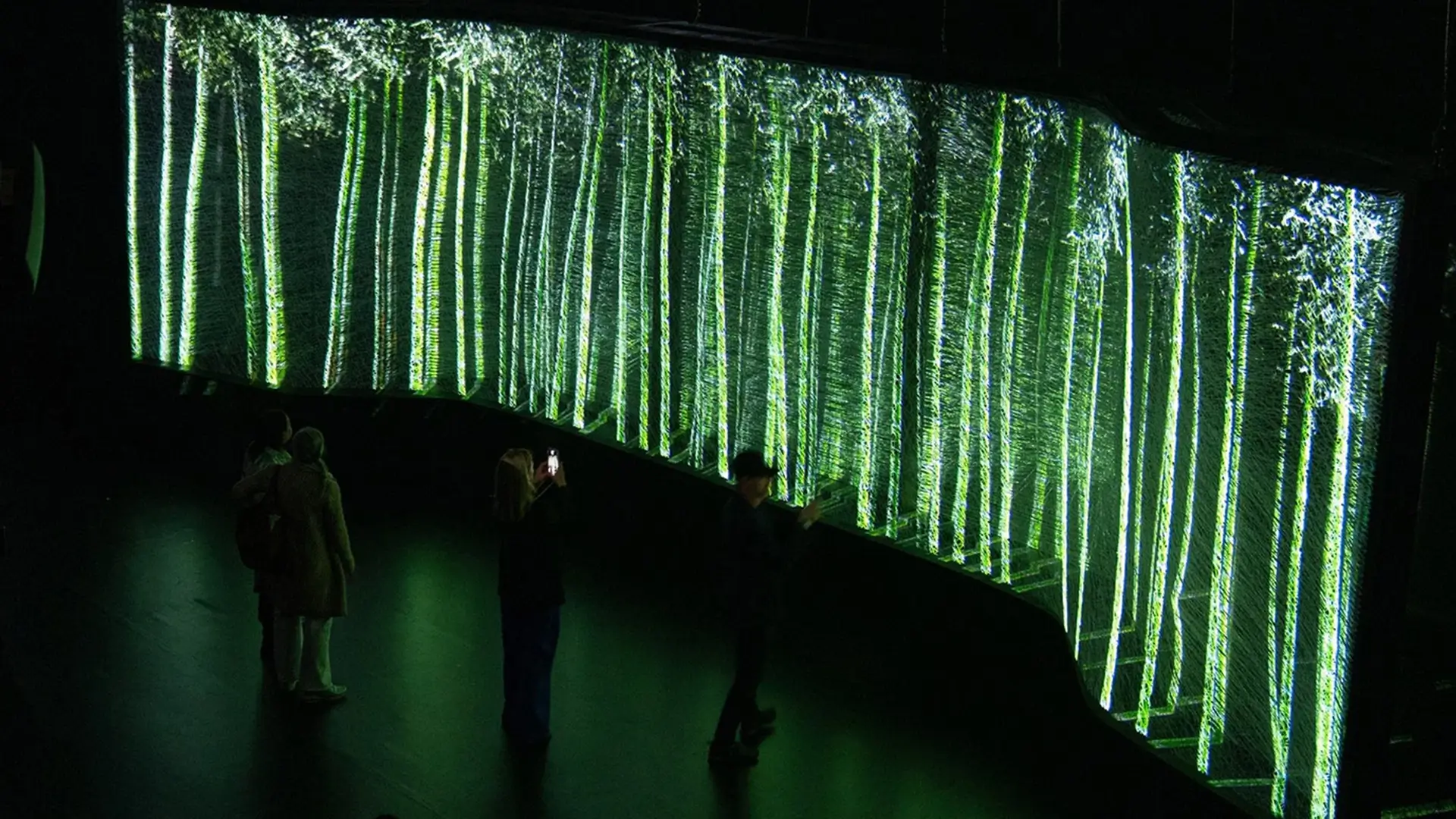
Spatial concepts and narratives that drive media strategy and production across visuals, light and interaction. The work runs from the first idea to the finished installation.
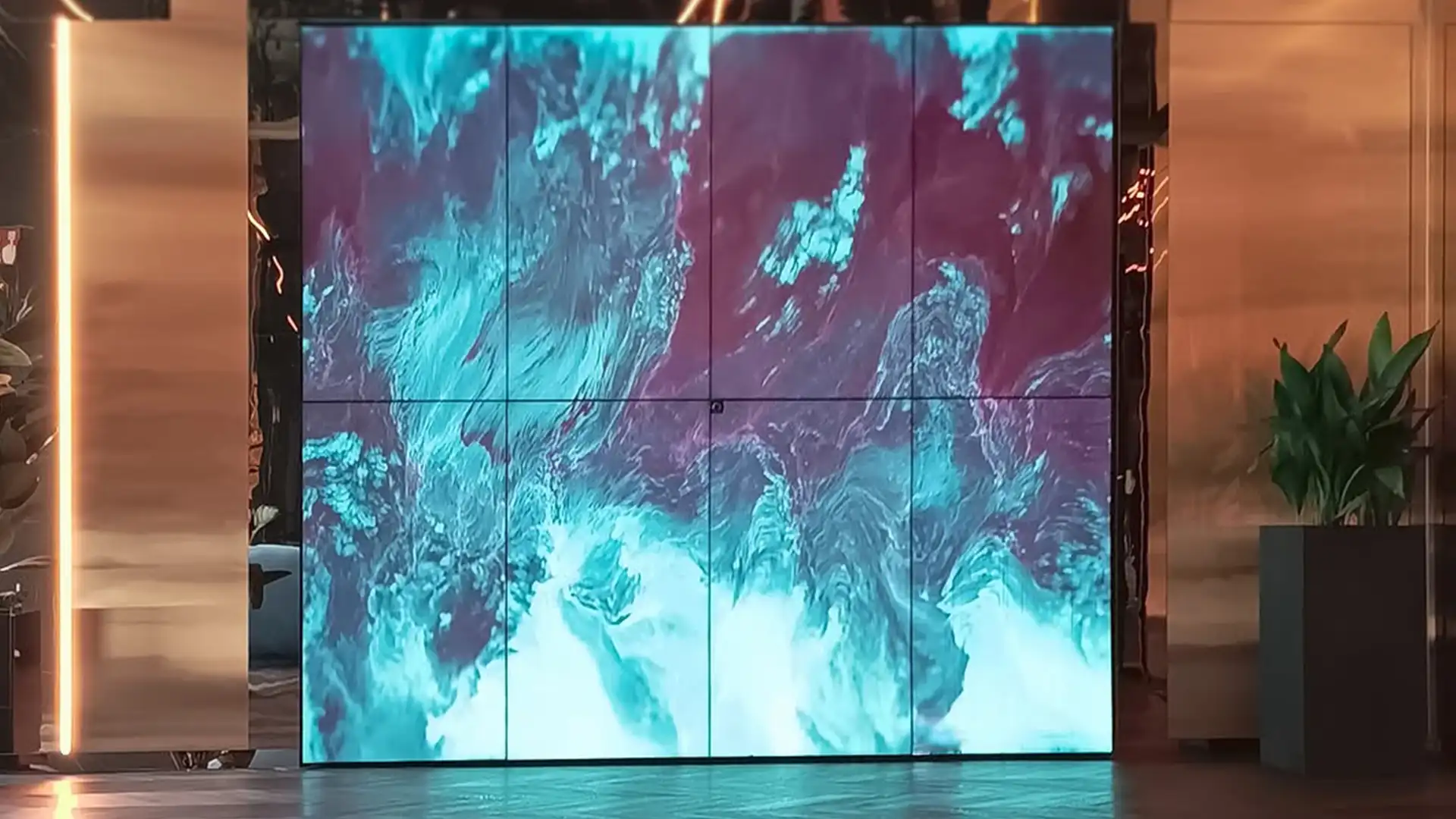
Visual systems built on a defined grammar of colour, form and motion, producing continuous variation in real time. Each holds a coherent identity across everything it generates.
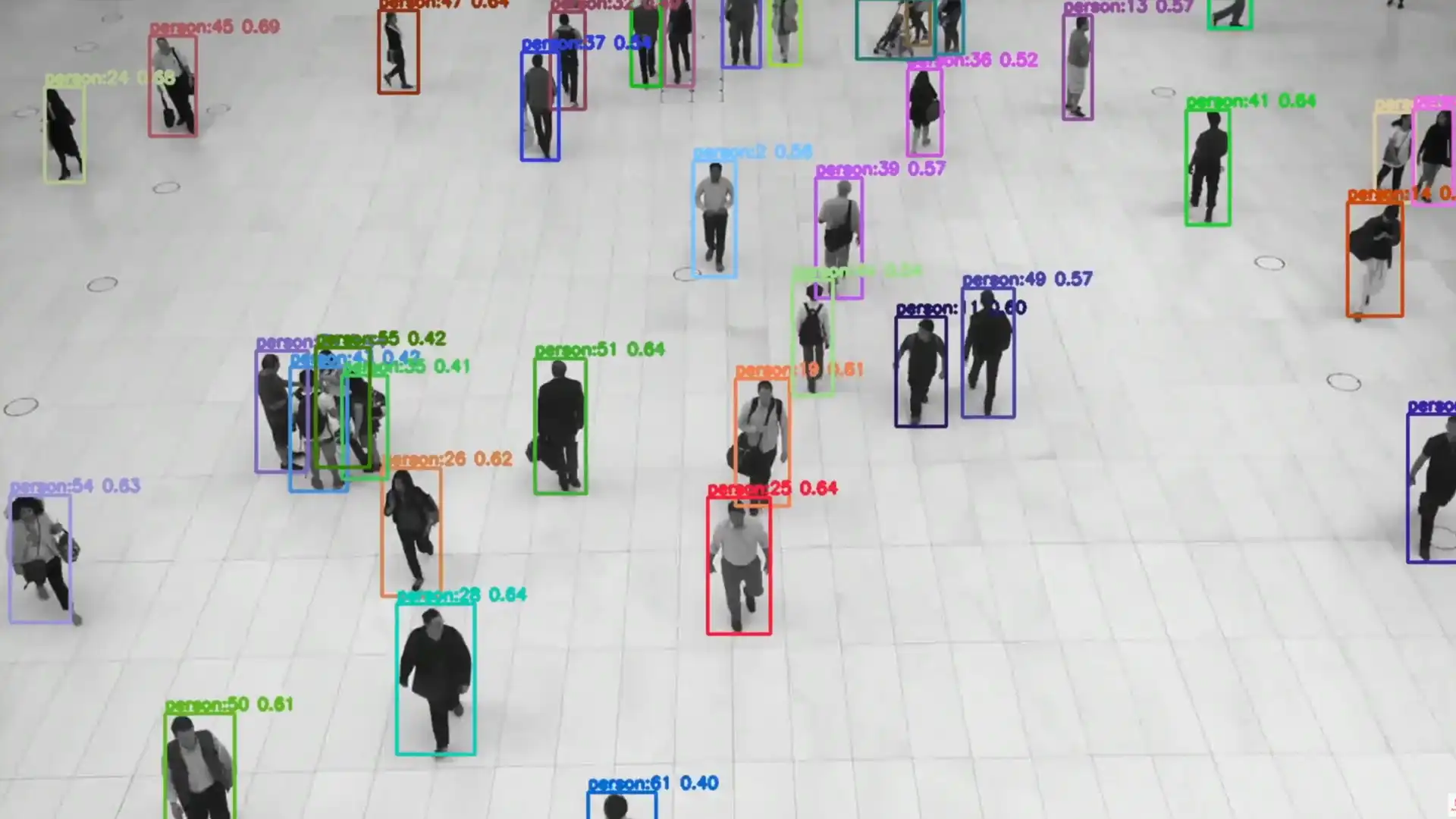
A sensing layer captures movement, proximity, dwell and occupation, then translates them into clear behavioural signals. Image, light and sound respond to these signals, driven by the life already present in the space.

Responsive light works that treat light as a spatial and narrative material, extending the media language into architecture. They shape atmosphere, rhythm and perception over time.
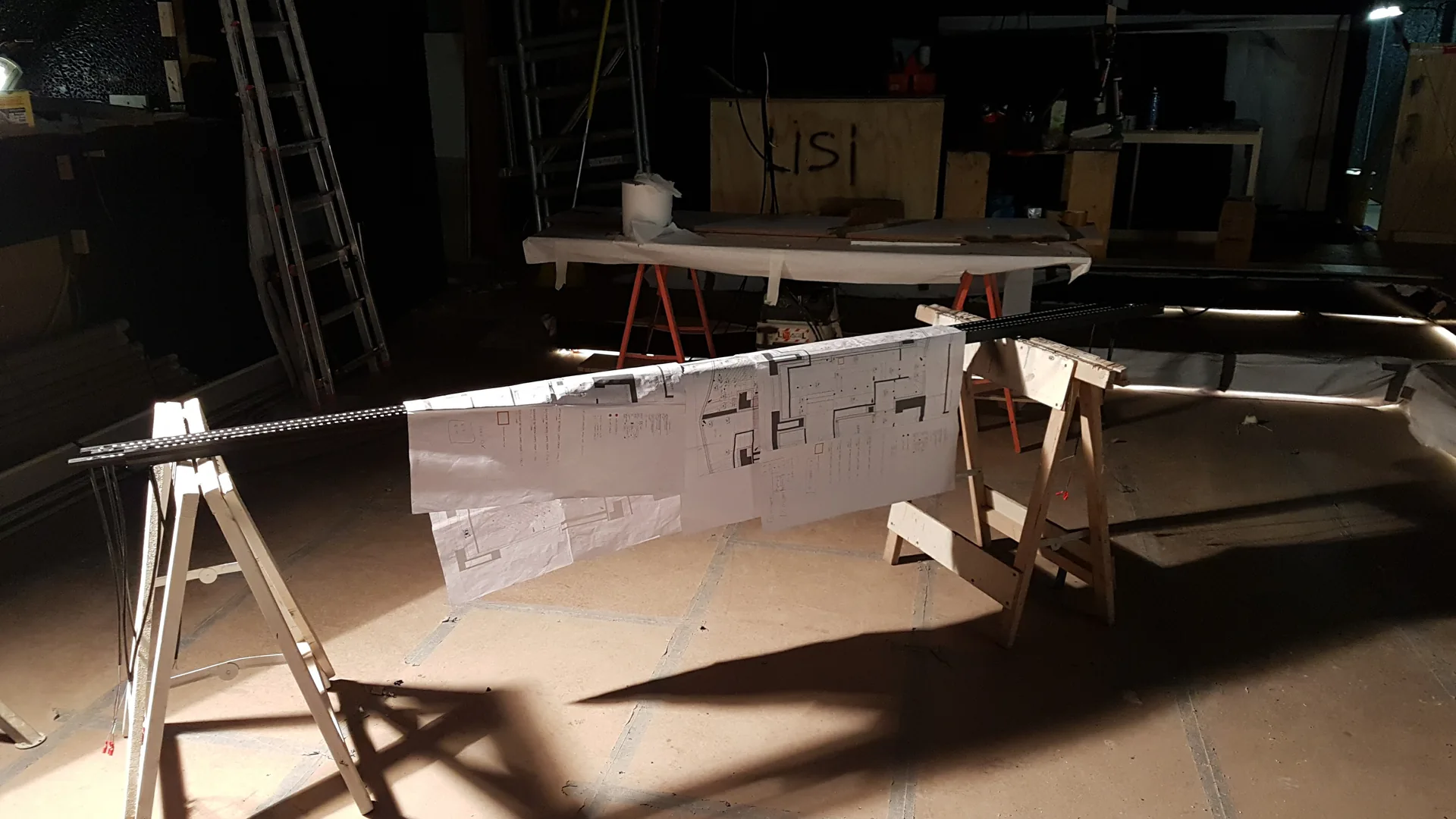
Bringing spatial media systems from technical design into reliable operation, through installation planning and system configuration, calibration and testing, handover and ongoing support.