A real-time installation can contain several specialised systems: sensing, generative graphics, authored media, spatial audio, lighting control and operator interfaces. Each component may perform its own task well. The project still needs a defined place where data is translated, timing is coordinated and system state remains visible.
This is the integration layer. Its value comes from the responsibilities it holds across the complete system.
Translating inputs into shared signals
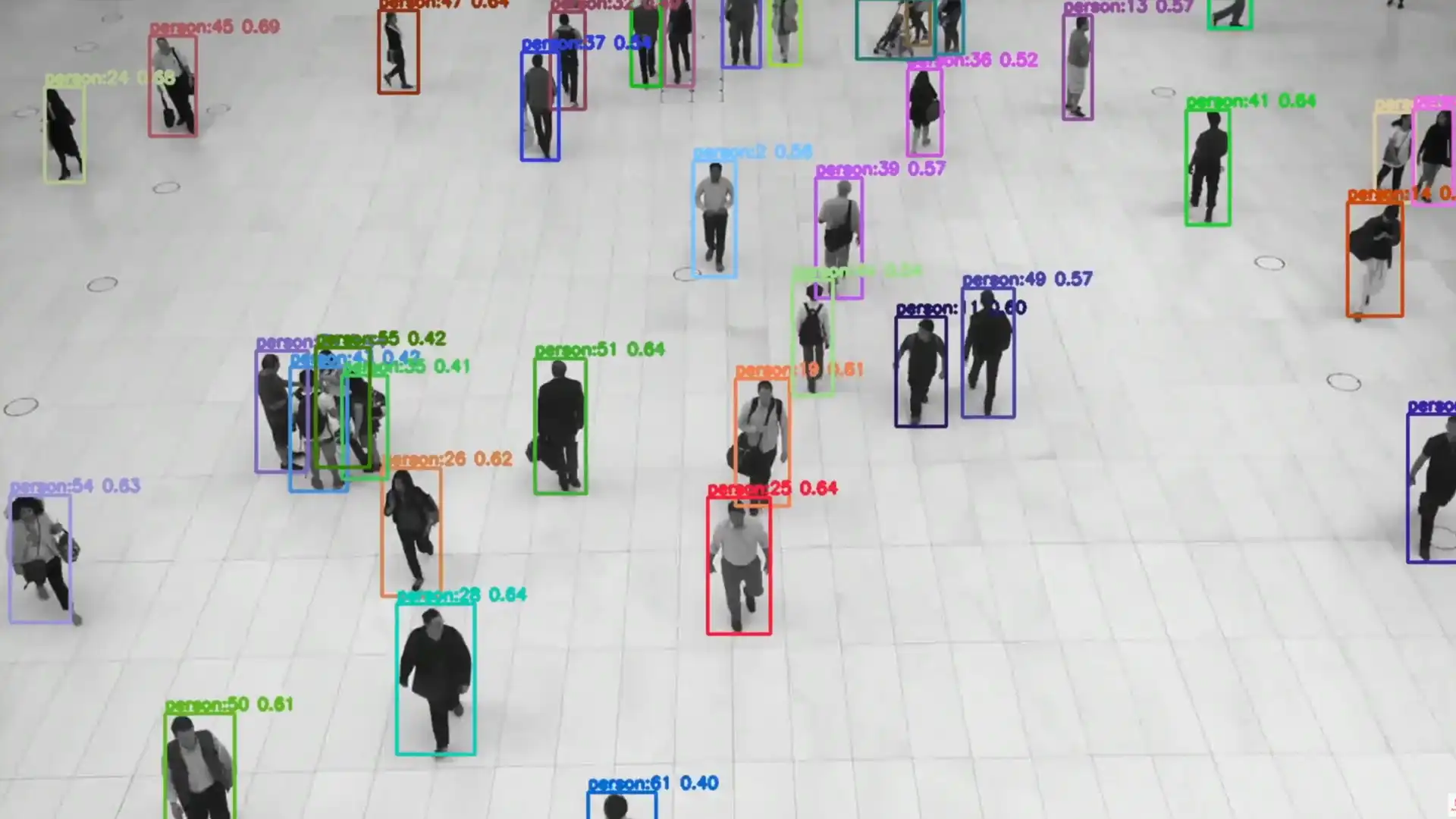
Sensors produce data in forms shaped by their own hardware and software. A camera pipeline may output tracked positions and confidence. LiDAR may provide depth or occupancy. A biometric device may provide a pulse value. Show control may provide cues and scheduled states.
The integration layer receives these signals, validates them and converts them into a model the visual system can use. It defines naming, scale, update rate and behaviour when an input becomes unavailable. This shared model allows the creative logic to respond directly to spatial events.
Coordinating media and engines
Installations frequently combine real-time and authored material. An integration layer can route texture sequences, video, audio, 3D data or generated frames while keeping their relationship to sensor input and show state explicit.
It can also provide a boundary between engines. One application may own the spatial scene and another may own a visual element or sensing process. The boundary defines which system produces each output, how information passes between them and which application controls timing or recovery.
The implementation environment follows the architecture, media formats and operating requirements of the project. Its purpose is to keep signal paths visible and allow processing, routing and output to be inspected during development and commissioning.

Lexus A-Un: a visual system within a wider framework
For Lexus A-Un at Milan Design Week 2025, Refractiv designed and programmed the real-time butterfly visuals. Aircord Inc. developed the wider framework that fused sensor data and projection mapping into the show-control layer. Refractiv integrated its visual output within that framework.
The installation translated heartbeat and motion into a seasonal progression across a translucent butterfly structure. This division of responsibility kept the butterfly's visual behaviour within Refractiv's system while Aircord retained the wider sensor and show-control architecture. Tatsuki Ikezawa of STUDEO held creative direction.
The project demonstrates a useful integration principle: each engine can retain the part of the experience it is designed to control, while the interface between them remains explicit.

Operational state and diagnosis
The same layer that routes live data can expose the operating state of the installation. Useful states include startup, ready, active, idle, degraded input and recovery. Logging can record whether inputs are present, whether outputs are updating and where a failure first appears.
These functions support commissioning and daily operation. Calibration controls allow the system to be matched to the installed geometry. Startup and recovery logic prepares it for unattended running. Operator controls expose the actions required on site while preserving the deeper system configuration.
Cardo Brussels: connecting live input and generated media
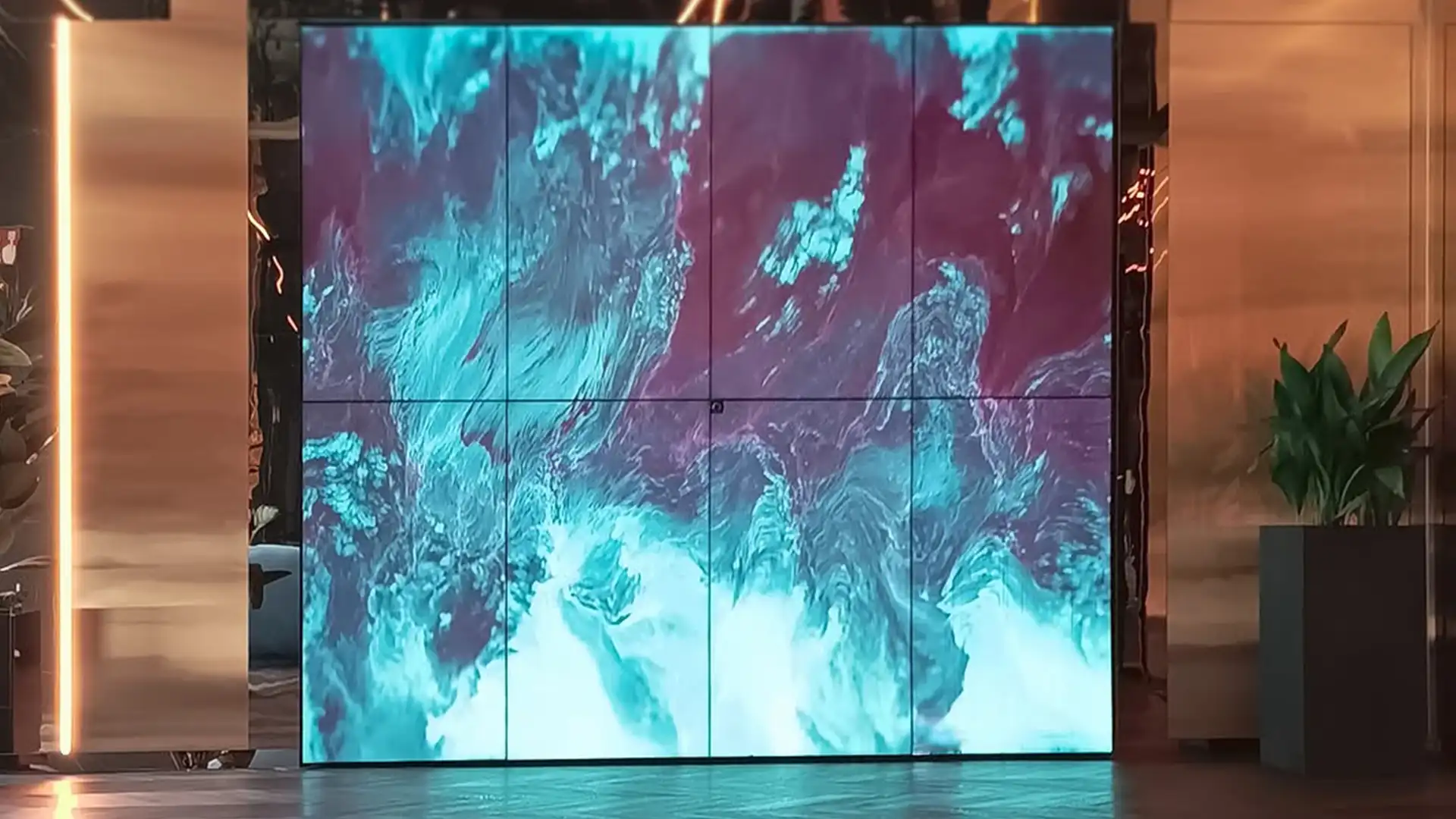
At Cardo Brussels, Refractiv developed an interactive visual system for the hotel's video wall. A live camera feed, real-time image generation and environmental states were coordinated within one operating structure, allowing the wall to move between autonomous and responsive behaviour.
The system also required startup, recovery and remote-support provisions for permanent operation. This operational layer gave the hotel a consistent public-facing output while allowing technical issues to be diagnosed and supported remotely.
Choosing the architecture
The integration layer should follow the project's actual boundaries. A compact installation may place sensing, rendering and control in one application. A larger system may distribute those roles across engines, devices and networked machines. Technical design defines the interfaces, timing ownership, operating states and recovery path before implementation begins.
For real-time system development, integration design or support with an existing installation, contact Refractiv.
Related projects: Lexus A-Un, Milan Design Week and Cardo Brussels interactive video wall.
Related capabilities: Sensing and Spatial Response and Commissioning and Lifecycle Support.