Interaction as a spatial language
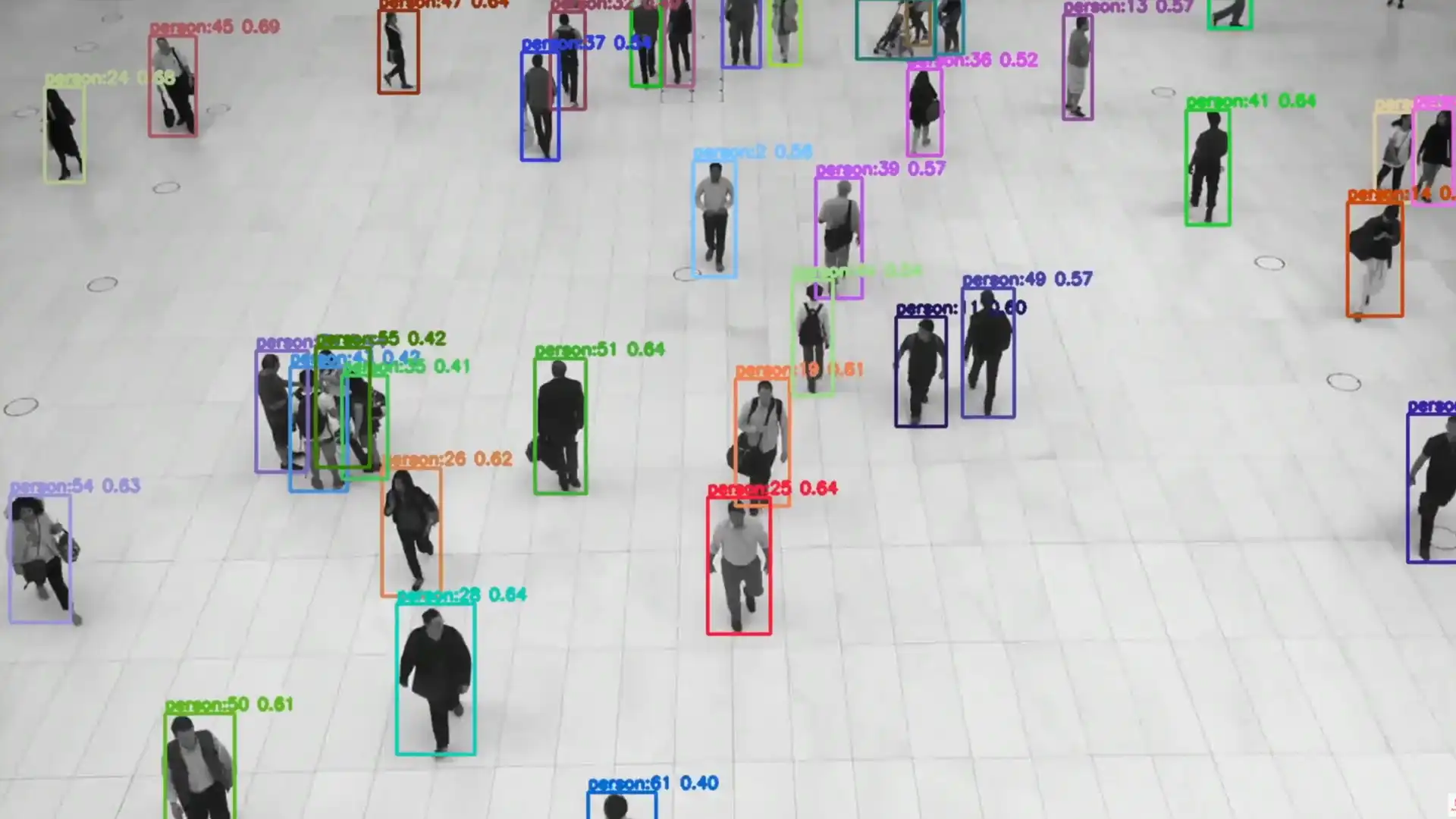
An interactive installation gives the space a capacity to register and respond. Movement, proximity, dwell, touch or environmental conditions can become part of how image, light and sound change over time.
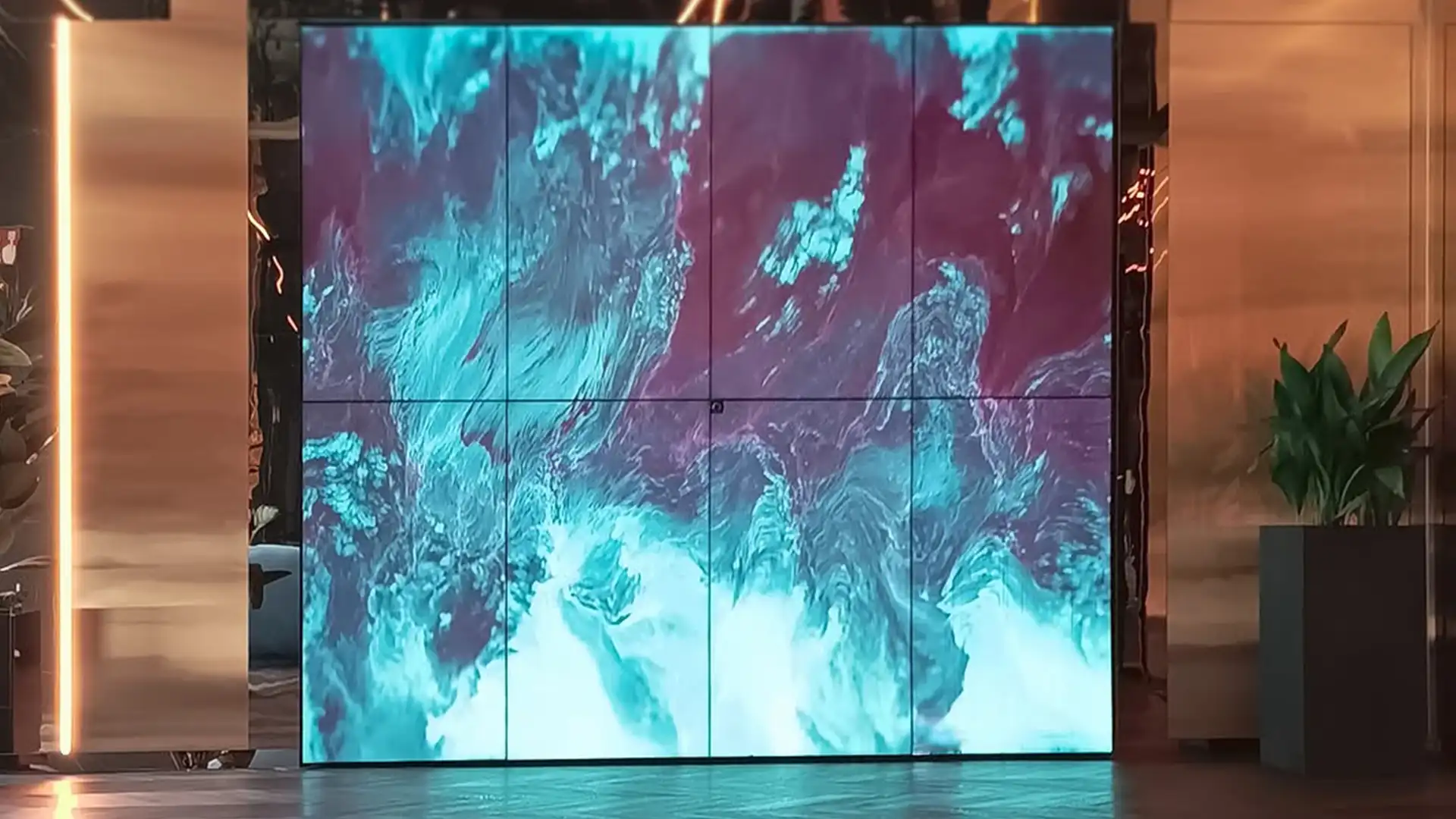
Media elements form a bridge between people and architecture. The interaction is experienced through the behaviour of the room: a field of colour gathering around a body, a surface opening into motion, a luminous structure changing pace as people move through it.
From brand idea to behaviour
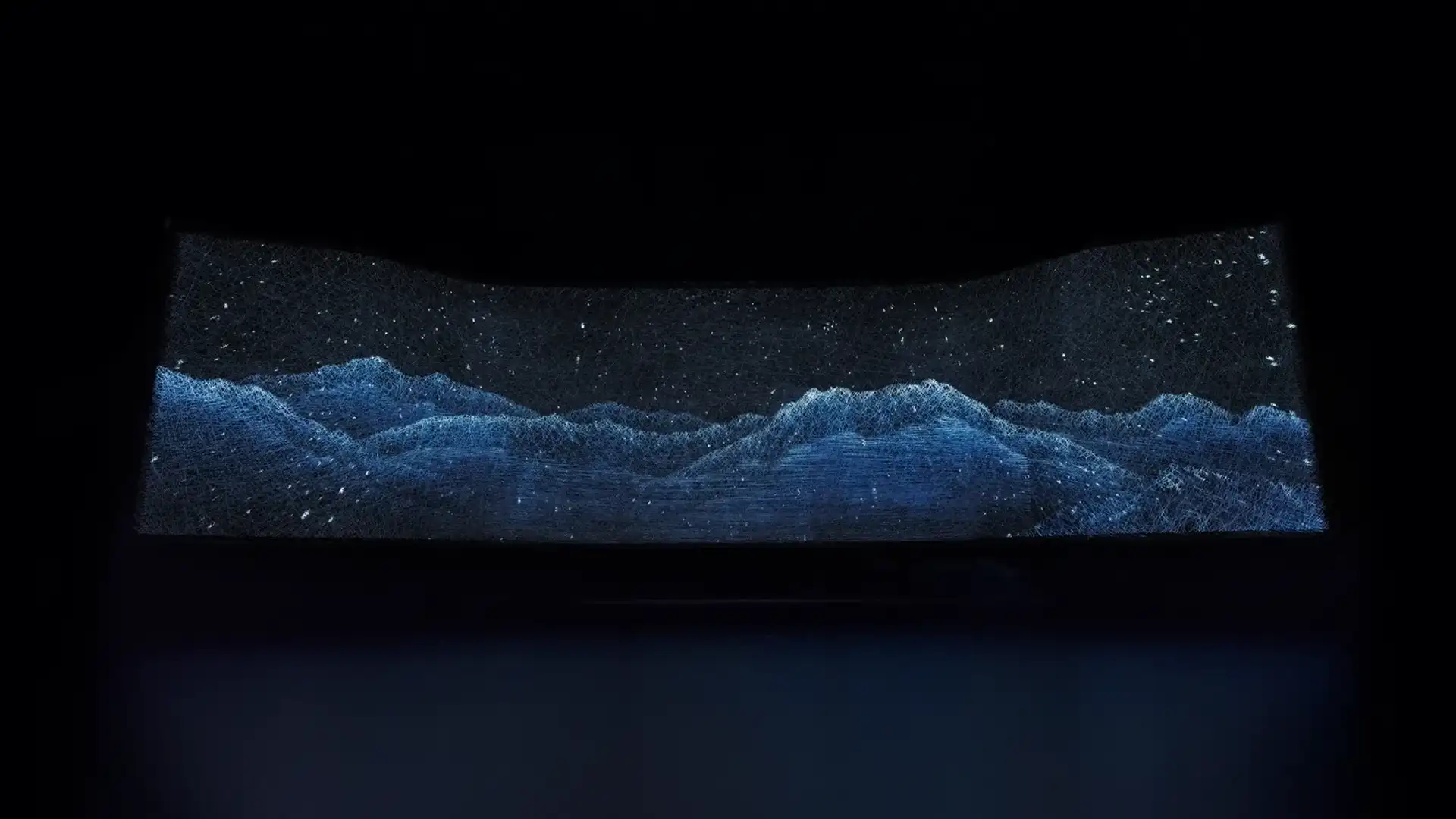
For brand environments, interaction begins with identity. Refractiv reads the brand narrative, visual language and desired relationship with the audience, then translates those qualities into spatial states and behaviours.
The response can be quiet and atmospheric or clear and event driven. Its form follows the character of the brand, the purpose of the space and the way people already move through it.
A complete spatial media system
The practice develops concept, media architecture, visual behaviour, sensing, light and system design as parts of one composition. Technical direction carries the work into production, with installation and integration partners supervised through delivery.
Documentation, operator training and lifecycle assistance support the installation after opening, while content rework allows the experience to evolve with the programme or brand.