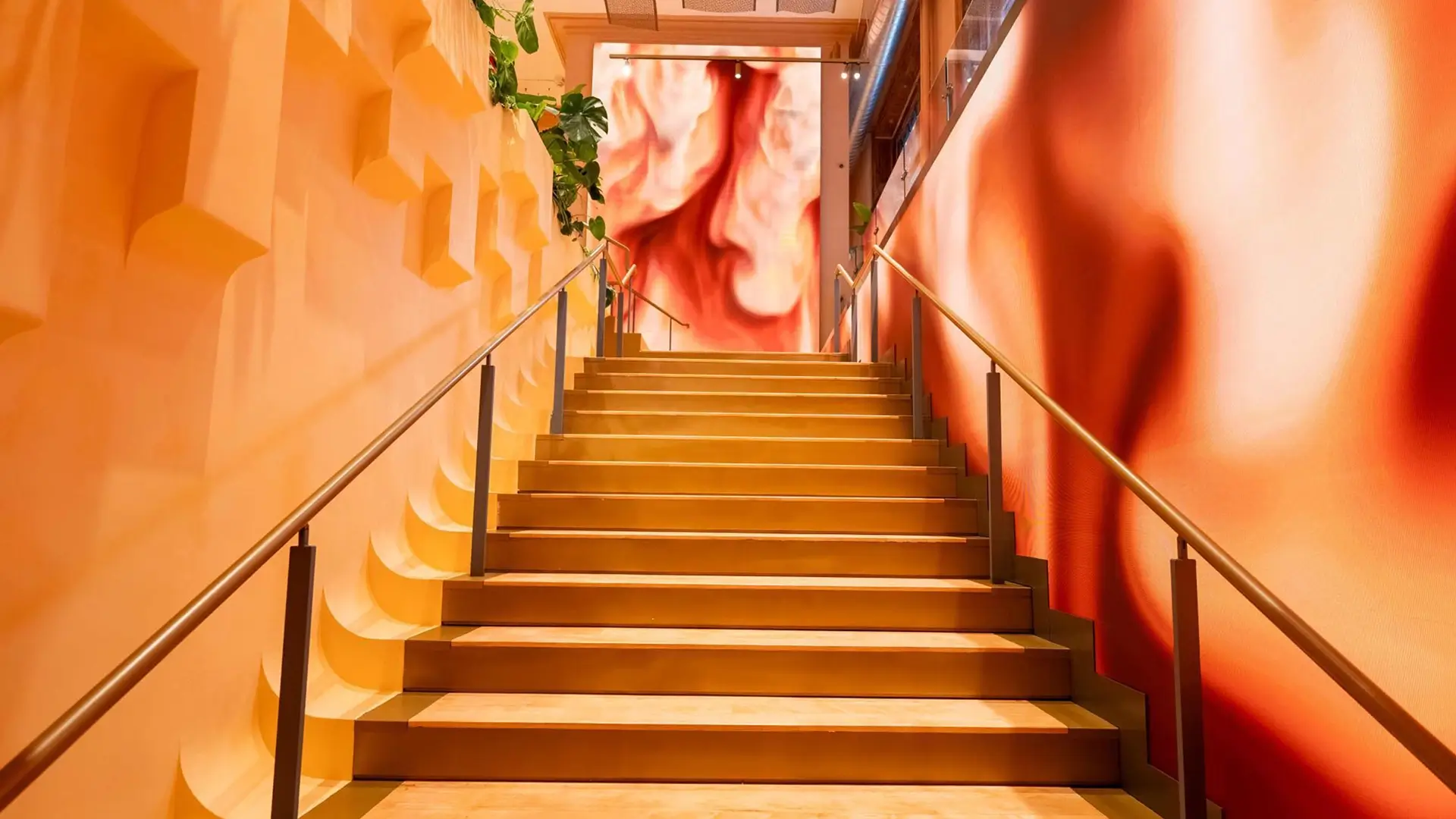
From design intent to operation
Spatial media systems bring together content, software, sensing, lighting, networks, control and physical infrastructure. Commissioning coordinates these layers within the completed space, verifies their behaviour as one system and prepares the installation for daily use.
Refractiv can lead, supervise or validate the commissioning scope according to the project structure. Creative intent and technical performance remain connected throughout, allowing the installed environment to operate with the behaviour, timing and visual quality established during design.
Delivery stages
| Stage | Scope | Outcome |
|---|---|---|
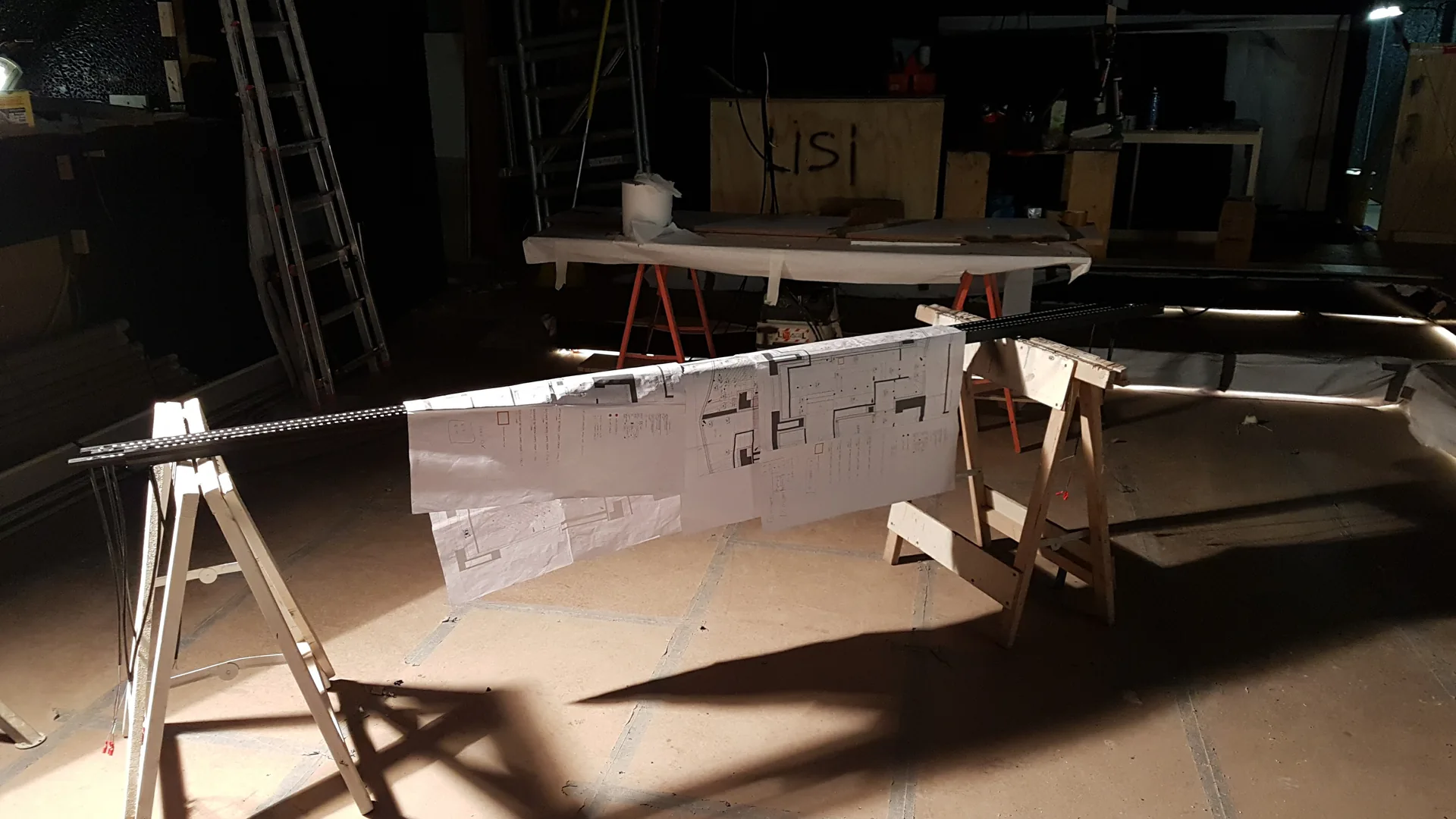
| Technical planning | Execution drawings; media-surface, sensor and equipment layouts; signal paths; control and network architecture; equipment schedules or bills of materials (BOMs); specification sheets; installation notes; and coordination with architecture, AV, lighting, fabrication and build teams | A coordinated technical package that translates the approved media architecture into information for procurement, fabrication, installation and integration |
| Installation coordination | Positioning, connection, activation and verification of sensors, displays, projection systems, lighting equipment, media servers and control hardware, with installation teams working from the approved drawings and specifications | Each component installed and checked against the system design |
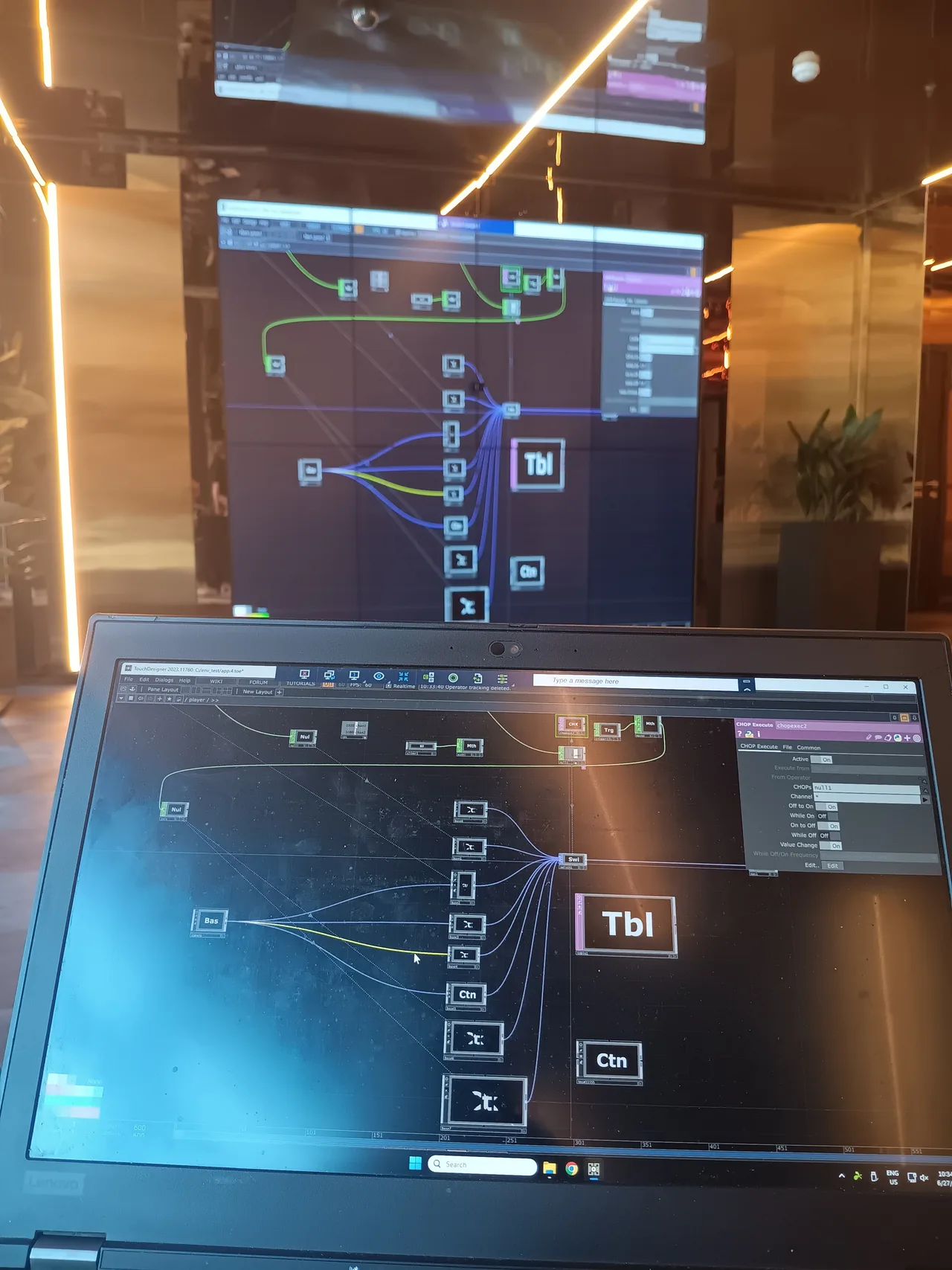
| System configuration | Media servers, networks, real-time applications, playback, device communication, startup sequences, recovery procedures and backups, drawing on Sensing and Spatial Response, Responsive Light Works and Generative Visual Systems where relevant | A stable operational core prepared for scheduled or unattended use |
| Commissioning | Calibration of visual output, sensing, tracking, lighting, timing and system behaviour, followed by testing of the complete Immersive Environment under site conditions | A verified installation with documented settings, operating procedures and handover information |
| Operations and support | Remote diagnosis, software updates, backups, system reviews, content revisions and coordination with local service partners | The installation maintained in its commissioned state as operational requirements evolve |
Testing the complete environment
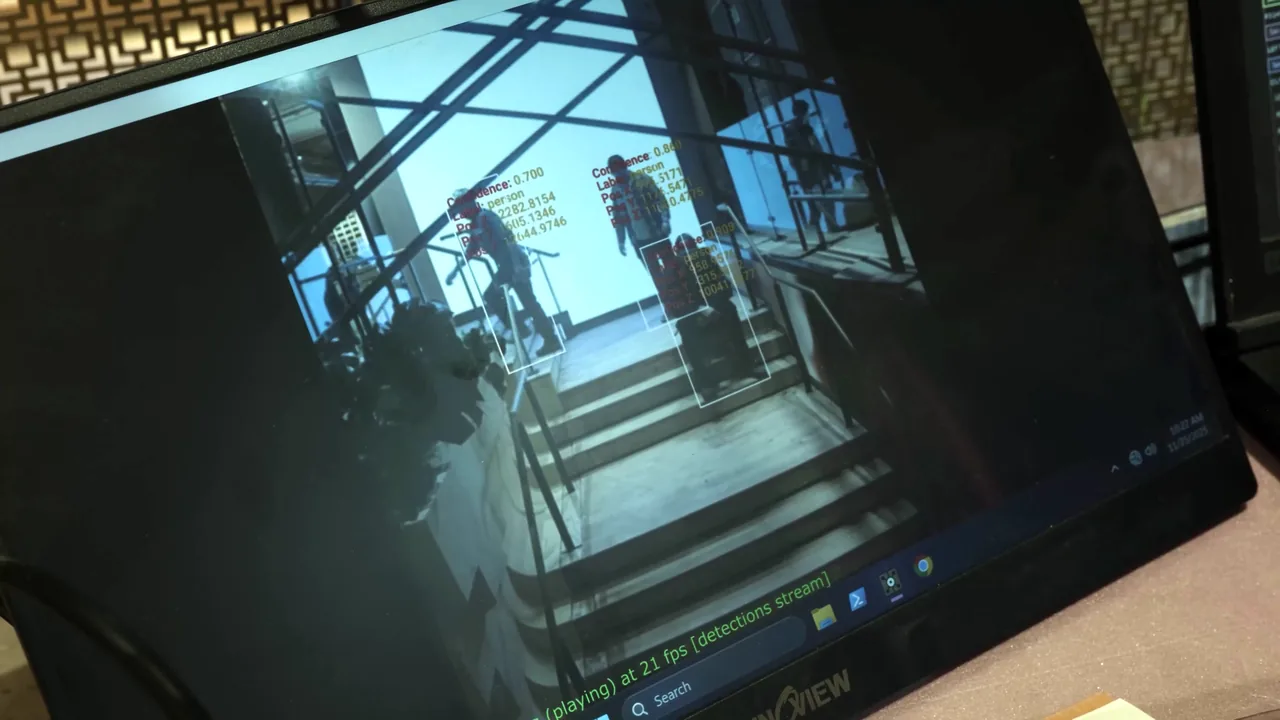
Commissioning evaluates the relationships between technical layers. Visual output is assessed against architecture, materials and lighting. Sensing is calibrated against circulation, distance and visitor behaviour. Software, networks and controls are tested through normal use, startup, shutdown, recovery and scheduled operation.
Testing also covers transitions between states, operator controls, fallback behaviour and the conditions required for unattended running.
Handover and operational continuity
Handover can include approved technical drawings, media-surface and sensor layouts, equipment schedules or bills of materials (BOMs), specification sheets, configuration records, software builds, backup procedures, operating instructions, replacement specifications, implementation notes and training for venue teams or technical partners.
The level of documentation and support follows the scale, permanence and operating model of the installation. Permanent environments, temporary installations and touring systems each receive procedures suited to their use.
Lifecycle support
Lifecycle support keeps the commissioned behaviour aligned with the evolving needs of the space. Refractiv can provide remote diagnosis, software maintenance, system reviews, content updates, configuration changes and technical coordination.
Local service partners can receive replacement specifications, implementation instructions and validation procedures, allowing repaired or updated components to return to the approved configuration.
Applications
Commissioning and lifecycle support apply to new commissions, existing spatial media systems, permanent installations, temporary environments and multi-site deployments.
Selected project evidence
DND Amsterdam: On-site programming, system verification and commissioning of a large custom lighting installation.
Nespresso New York: Sensor calibration, generative-system deployment, media configuration and operational handover.
Cardo Brussels: Real-time software deployment, camera and display calibration, and system commissioning.
For commissioning, handover or support for a new or existing spatial media system, contact Refractiv.